


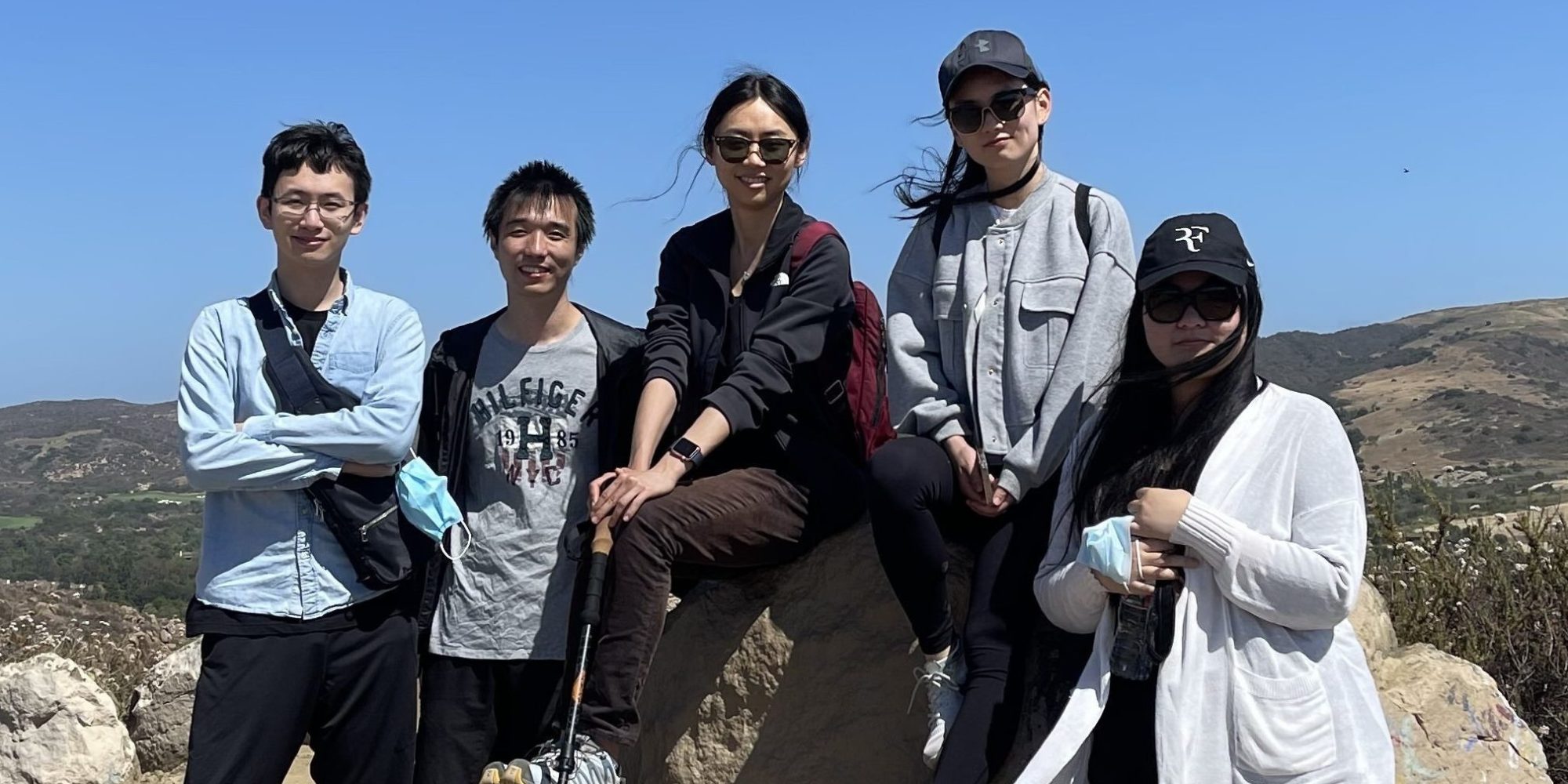




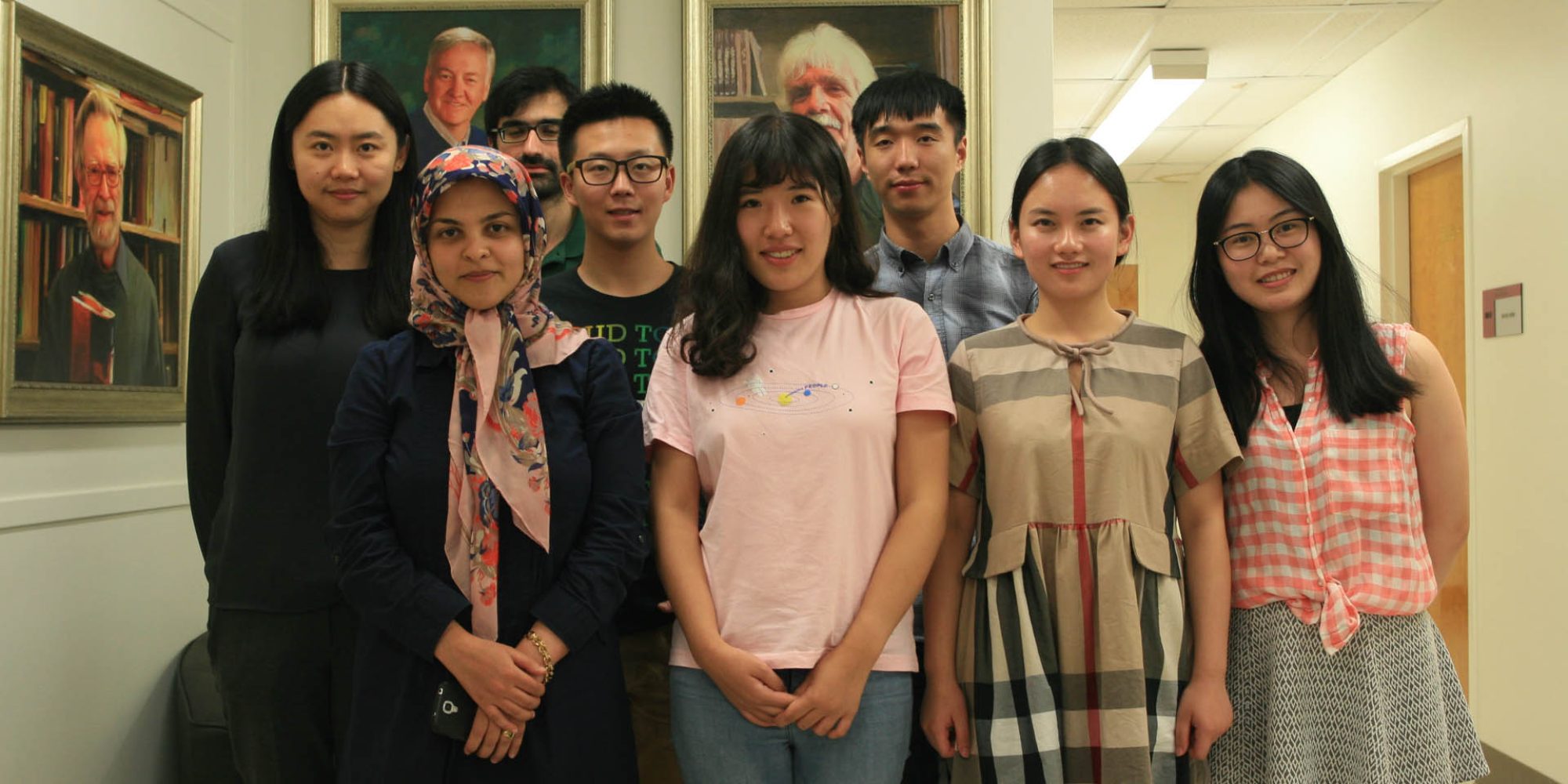





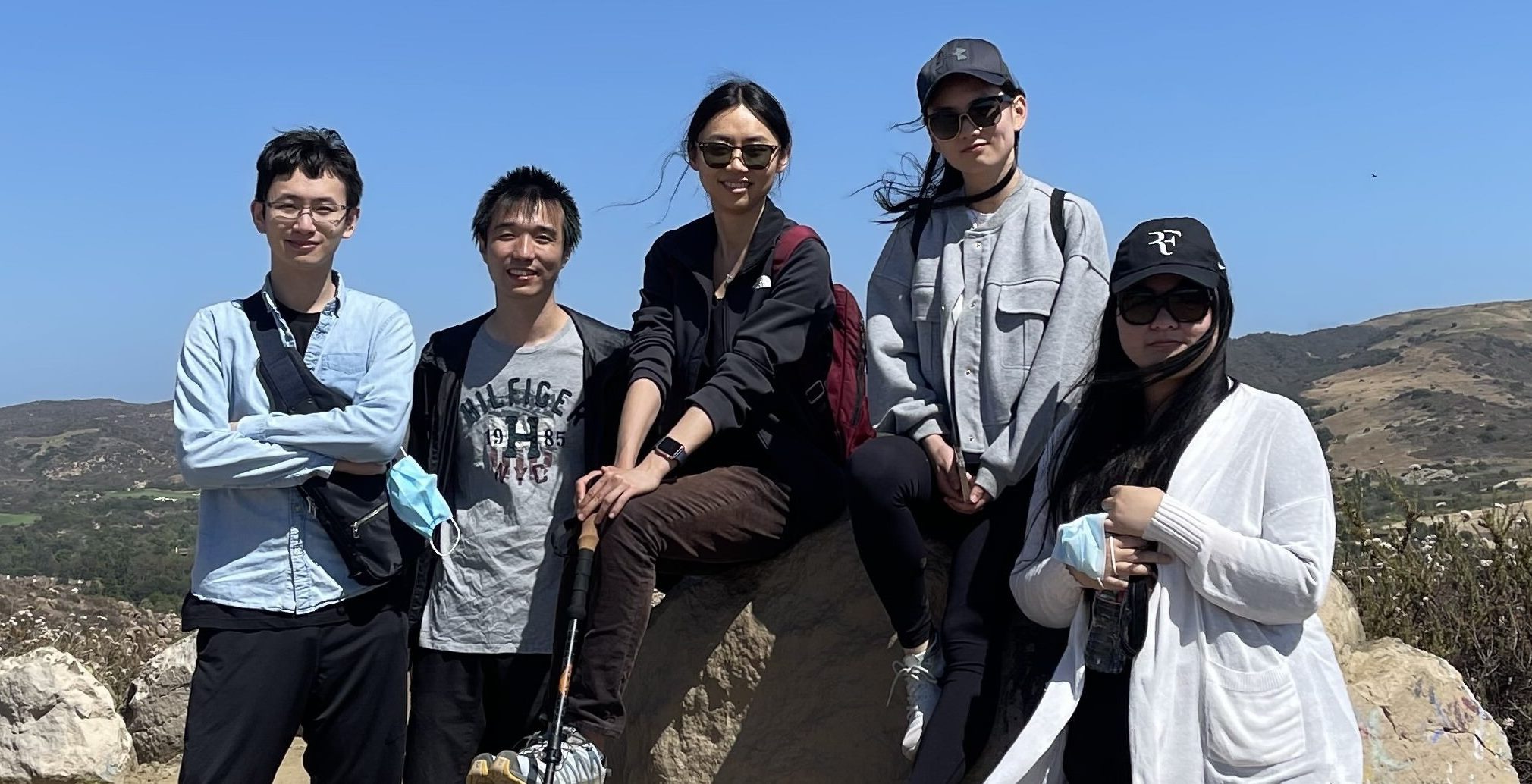




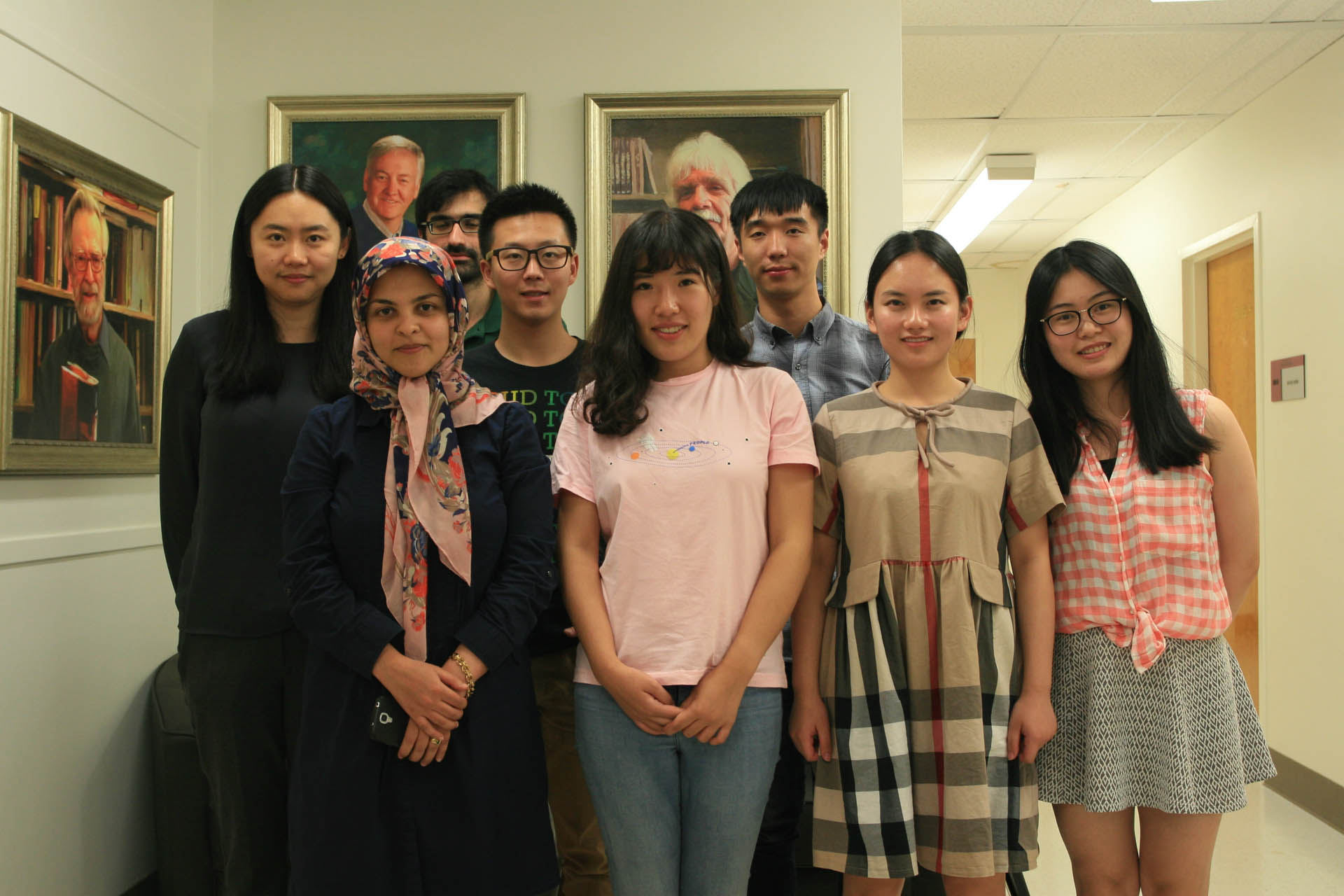




The JSB lab is led by the PI, Dr. Jingyi Jessica Li, we have a team of highly motivated graduate students and postdoctoral reserachers. Our research is at the junction of statistics and biology, as our lab name JSB represents. We focus on developing statistical and computational methods motivated by important questions in biomedical sciences and abundant information in big genomic and health related data. On the statistical methodology side, our example interests include association measures, high-dimensional variable selection, and classification metrics. On the biomedical application side, our example interests include next-generation RNA sequencing, comparative genomics, and information flow in the central dogma. We have developed tools such as Clipper, mcRigor, scDEED, and scDesign3, which provide rigorous and interpretable frameworks for controlling false discovery rate, improving the reliability and interpretability of single-cell analyses, mitigating spurious structure in low-dimentional embeddings, and enabling principled benchmarking with realistic single-cell and spatial omics datasets. Our research impact has been recognized by multiple prestigious awards and demonstrated by our many publications in leading scientific and statistical journals.
If you are interested in our research, please check out our YouTube channel, Twitter, and Medium.
SELECTED PUBLICATIONS
107. Jiang, C.F., Wang, C., and Li, J.J. (2026). Beyond differential expression: Differential variability as an underappreciated axis in transcriptomics. Cell Systems 17(8):101706.
97. Liu, P. and Li, J.J. (2025). mcRigor: a statistical method to enhance the rigor of metacell partitioning in single-cell data analysis. Nature Communications 16:1802. (Featured in Nature Communications Editors’ Highlights) [ RECOMB 2025 ] [ SOFTWARE ]
91. Song, D., Chen, S., Lee, C., Li, K., Ge, X., and Li, J.J. (2025). Synthetic control removes spurious discoveries from double dipping in single-cell and spatial transcriptomics data analyses. Lecture Notes in Computer Science 15647:400-404; Sankararaman, S., ed.; Springer, Cham. (RECOMB 2025; proceeding)